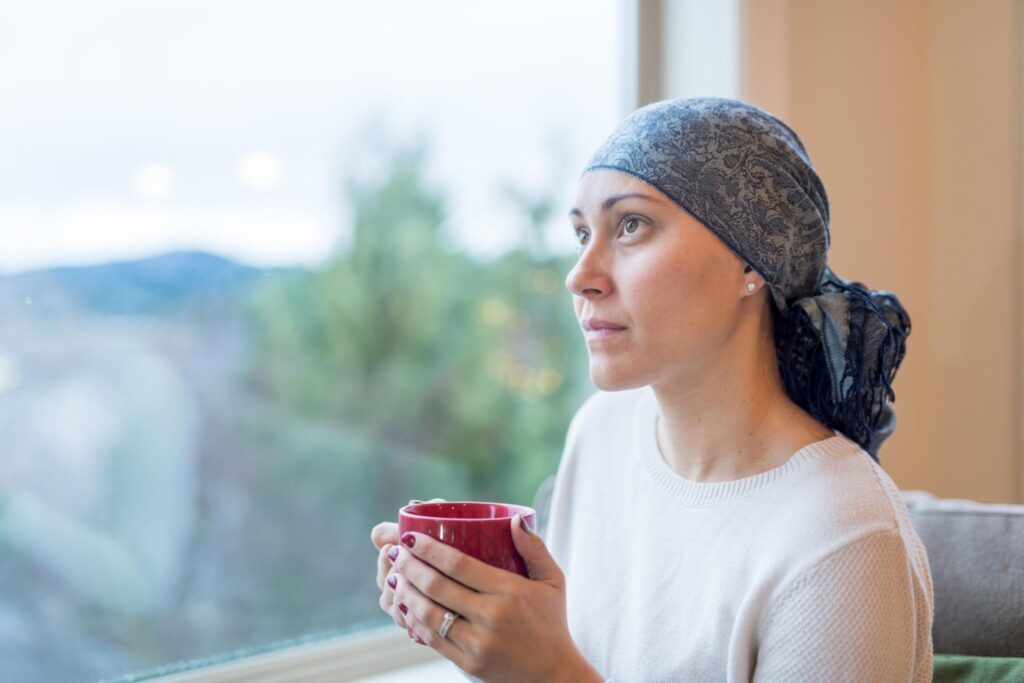
When most people think about the end of cancer treatment, they imagine relief. They imagine hearing good news, celebrating with family and friends, and finally being able to put cancer behind them. After months or years of appointments, treatments, surgeries, scans, and uncertainty, it makes sense to believe that finishing treatment will feel like crossing a finish line.
But for many cancer survivors, that is not what happens.
One of the most common things I hear from survivors is, “I thought I would feel better when treatment ended.” Instead of relief, they feel anxious. Instead of freedom, they feel afraid. Instead of feeling like themselves again, they feel disconnected from the person they were before cancer.
If this has been your experience, I want you to know that there is nothing wrong with you. Many cancer survivors in Palm Beach Gardens, throughout Florida, and beyond, are surprised by how emotionally difficult life after treatment can feel. In many ways, the emotional aftermath of cancer is one of the least talked about parts of survivorship. Medical treatment focuses on helping the body recover, but many survivors are left wondering what to do with the fear, grief, uncertainty, and emotional exhaustion that remain long after treatment is over.
Common Emotional Symptoms After Cancer
If you’re struggling after treatment, you may notice:
- Fear of recurrence
- Scanxiety before appointments and scans
- Hypervigilance about physical symptoms
- Difficulty relaxing
- Anxiety that seems to come out of nowhere
- Emotional numbness
- Feeling disconnected from yourself
- Grief for the life you had before cancer
- Difficulty trusting your body again
If you recognize yourself in several of these experiences, you are not alone. Many cancer survivors discover that emotional recovery takes far longer than anyone prepared them for.
Why Survivorship Can Feel Harder Than Expected
One of the most confusing aspects of life after cancer is that it can feel difficult at a time when everyone expects you to be happy. Friends and family are relieved. Your medical team is pleased with your progress. People tell you how strong you are and how wonderful it must feel to be finished.
Meanwhile, you may be lying awake at night wondering why you do not feel the relief you expected. Many survivors feel guilty about this. They wonder if they are being ungrateful or focusing too much on the negative. The truth is that gratitude and grief can exist at the same time.
You can be grateful to be alive and still grieve what cancer took from you. You can be thankful treatment is over and still feel overwhelmed by fear. You can be hopeful about the future and still miss the person you were before cancer. These experiences are not contradictory. They are part of being human.
During treatment, there is often a clear mission: survive. There is little time to stop and process what is happening emotionally because so much energy is devoted to getting through each day. When treatment ends, many survivors suddenly have space to feel everything they have been carrying. That can be overwhelming.
When Everyone Thinks You’re Better, But You Don’t Feel Better
One of the loneliest parts of survivorship is realizing that support often fades long before the emotional impact does. During treatment, people check in regularly. They ask how you are doing and offer help. There is a visible crisis that people can understand.
When treatment ends, many assume the story is over. But for many survivors, it feels like an entirely different chapter is beginning. You may still think about cancer every day. You may still worry before every follow-up appointment. You may still feel disconnected from your body or uncertain about the future.
Many survivors stop talking about their fears because they do not want to seem negative or ungrateful. Over time, this can create a sense of isolation. As a therapist, I often hear people say, “I feel like everyone else has moved on, but I haven’t.” If that resonates with you, please know that healing does not happen on anyone else’s timeline. As a therapist who works with cancer survivors in Palm Beach Gardens and through telehealth in Florida and Rhode Island, I hear this experience far more often than people realize.
When Your Body Is Safe But Your Mind Doesn’t Feel Safe
One of the most common experiences after cancer is feeling like you can no longer fully trust your body. Before cancer, a headache may have been just a headache. After cancer, that same sensation can trigger immediate concern. Many survivors find themselves monitoring every ache, pain, or change.
There is a reason for this. Cancer teaches the brain that serious threats can appear unexpectedly. Your nervous system adapts by becoming more alert and more focused on detecting danger. During treatment, this heightened awareness can feel necessary. After treatment, however, it can become exhausting.
Many survivors live in a state of hypervigilance, constantly waiting for bad news. Even when scans come back clear, the relief may be temporary. Fear of recurrence and scanxiety are incredibly common experiences. They do not mean you are weak or pessimistic. They mean your mind is trying to protect you from something that was genuinely frightening.
Fear of Recurrence and Scanxiety
Fear of recurrence is one of the most common concerns cancer survivors face. Even years after treatment, a routine appointment or scan can trigger intense anxiety. Some survivors describe counting down the days until appointments. Others notice changes in sleep, appetite, or mood as a scan approaches.
Scanxiety can affect people regardless of prognosis. Knowing that fear is common does not automatically make it easier, but it can help reduce the shame many survivors feel. You are not failing at recovery because you feel anxious before a scan. You are responding to an experience that changed your relationship with uncertainty.
Part of healing involves learning how to respond to these fears with compassion rather than criticism. Instead of asking, “Why am I still worried?” it can be more helpful to ask, “What does my nervous system need right now?” That shift alone can create space for healing.
Grieving the Person You Were Before Cancer
One of the most overlooked aspects of survivorship is grief. Many survivors are not only grieving what happened during treatment. They are grieving the person they were before cancer.
You may miss the certainty you once felt about the future. You may miss feeling carefree. You may miss the relationship you once had with your body. Cancer often changes priorities, relationships, career goals, and identity. Many survivors tell me they feel different but struggle to explain exactly how.
You May Be Grieving More Than You Realize
Many survivors are grieving:
- The sense of safety they once had
- The relationship they had with their body
- Future plans that changed
- Their energy level
- Their confidence
- The version of themselves that existed before cancer
This grief is often invisible to others, which can make it feel even more isolating.
This realization can be painful because there is often pressure to return to normal. Friends, family members, and even survivors themselves may expect life to go back to the way it was. But sometimes healing is not about becoming who you were before cancer. Sometimes it is about learning who you are now and building a meaningful life from that place.
The Hidden Trauma of Cancer
Many people do not immediately think of cancer as a traumatic experience, but for many survivors it absolutely is. Cancer often involves fear, uncertainty, painful procedures, difficult decisions, loss of control, and ongoing medical stress.
Even when treatment is successful, those experiences can leave lasting emotional effects. Some survivors notice symptoms commonly associated with trauma. They may feel constantly on edge, have difficulty sleeping, experience intrusive thoughts, or struggle to relax. Others find themselves emotionally numb or disconnected.
These responses do not mean you are broken. They mean your mind and body are responding to something incredibly difficult that happened to you. Emotional healing often requires the same attention and care as physical healing. Many cancer survivors benefit from working with a therapist who understands the emotional impact of survivorship and the ways trauma can continue affecting the nervous system long after treatment ends. For some survivors, therapy or approaches such as EMDR can be valuable tools in processing cancer-related trauma.
Learning to Build a New Normal
One of the hardest parts of recovery is accepting that life may not return to exactly what it was before cancer. At first, this realization can feel discouraging. Many survivors spend a long time hoping to get back to who they were before diagnosis.
Over time, however, many people discover that healing is not about going backward. It is about moving forward. Building a new normal does not mean forgetting what happened. It means learning how to integrate the experience into your life without allowing it to define every moment of your future.
Healing is rarely a straight line. There are good days and difficult days. There are moments of confidence and moments of fear. The goal is not perfection. The goal is learning how to live fully again.
Resources and Support
Therapy can be an important part of emotional recovery, but it is not the only source of support available. Many survivors benefit from connecting with organizations designed specifically for people navigating life after cancer.
The Sari Center offers support, education, and community for cancer survivors and their families. Local resources like these can help survivors feel less isolated and more understood as they navigate life after cancer. Finding people who truly understand the survivorship experience can be incredibly healing. Many survivors discover that simply being around others who “get it” reduces feelings of isolation and shame.
Support can come from many places: therapy, support groups, trusted friends, family members, spiritual communities, and survivorship organizations. You do not have to carry this experience alone.
Therapy Can Help You
Cancer survivorship therapy can help you:
- Process the trauma of cancer treatment
- Manage fear of recurrence
- Reduce anxiety and hypervigilance
- Navigate identity changes
- Rebuild trust in your body
- Learn tools for emotional regulation
- Create a meaningful life beyond survival
You do not have to figure this out alone.
Cancer Survivorship Therapy in Palm Beach Gardens, Florida
If you are struggling with anxiety after cancer treatment, fear of recurrence, identity changes, grief, trauma, or the emotional aftermath of cancer, you do not have to navigate it alone.
At Erin Pallard Therapy, I provide cancer survivorship therapy in Palm Beach Gardens, Florida, as well as telehealth counseling throughout Florida and Rhode Island. Together, we can work on rebuilding a sense of safety, processing what you have been through, and helping you move forward with confidence and hope.
One of the most important things I want cancer survivors to know is that struggling emotionally after treatment does not mean you are doing survivorship wrong. There is no right way to feel after cancer. Some people feel relieved. Some feel anxious. Many feel both at the same time.
What matters is giving yourself permission to acknowledge what you’re carrying instead of feeling like you should be “over it” by now. Emotional healing takes time, and you deserve support as you navigate this chapter of your life.
Frequently Asked Questions About Life After Cancer
Is it normal to feel anxious after cancer treatment ends?
Yes. Many cancer survivors experience anxiety after treatment, especially around follow-up appointments, scans, physical symptoms, and fear of recurrence. Even when treatment is successful, it can take time for the nervous system to feel safe again.
Why do I feel more emotional after treatment is over?
During treatment, much of your energy is focused on getting through each day. Once treatment ends, emotions that were pushed aside often begin to surface. Many survivors experience grief, fear, anger, sadness, or emotional exhaustion during this stage of recovery.
What is scanxiety?
Scanxiety is the term many survivors use to describe the anxiety and fear they experience before scans, bloodwork, medical tests, and follow-up appointments. It is one of the most common emotional challenges after cancer treatment.
Can cancer survivors experience trauma?
Yes. Cancer can be a traumatic experience. Many survivors experience symptoms such as hypervigilance, intrusive thoughts, difficulty relaxing, fear of recurrence, or feeling emotionally on edge long after treatment ends.
Can therapy help after cancer?
Absolutely. Therapy can help survivors process trauma, manage anxiety, navigate identity changes, cope with grief, and build a meaningful life beyond survival.
You Don’t Have to Do This Alone
Cancer may have changed your life, but it does not get to define the rest of it. Healing after cancer is not about pretending everything is okay. It is about learning how to feel safe again. It is about rebuilding trust in yourself and your body. It is about creating a meaningful life beyond survival.
You survived cancer physically. You deserve support for the emotional recovery too.
If you’re ready to take the next step, contact Erin Pallard Therapy to learn more about cancer survivorship therapy in Palm Beach Gardens or through telehealth in Florida and Rhode Island.