Cancer treatment is over. Your scans are clear, your appointments are farther apart now, and the people around you are celebrating, telling you how wonderful it is that you can finally get back to your life.
But something inside you still doesn’t feel safe.
You notice an ache and immediately wonder if the cancer is back. A follow-up scan is three weeks away, and you’re already thinking about it when you open your eyes in the morning. You check your body more than you used to. You Google symptoms you know you probably shouldn’t Google. Your heart rate climbs before medical appointments, even the routine ones. Sometimes a smell, a hospital hallway, a medication bottle, or even hearing that someone else has been diagnosed with cancer can pull you right back to a place you thought you had left behind.
And maybe the hardest part is that you don’t understand why you’re still struggling. You survived. Shouldn’t you feel relieved?
This is one of the most misunderstood parts of cancer survivorship: treatment can end long before the mind and body feel safe again. For some cancer survivors, what looks like anxiety may include symptoms of cancer-related trauma or post-traumatic stress. When no one explains that possibility, survivors often turn the experience inward: Why can’t I move on? Why am I still so afraid? Why do I panic every time something feels different in my body? Why can’t I just be grateful that I’m alive?
If questions like these sound familiar, there’s a different one worth sitting with instead: What if the reaction actually makes sense, given what your body and mind have been through?
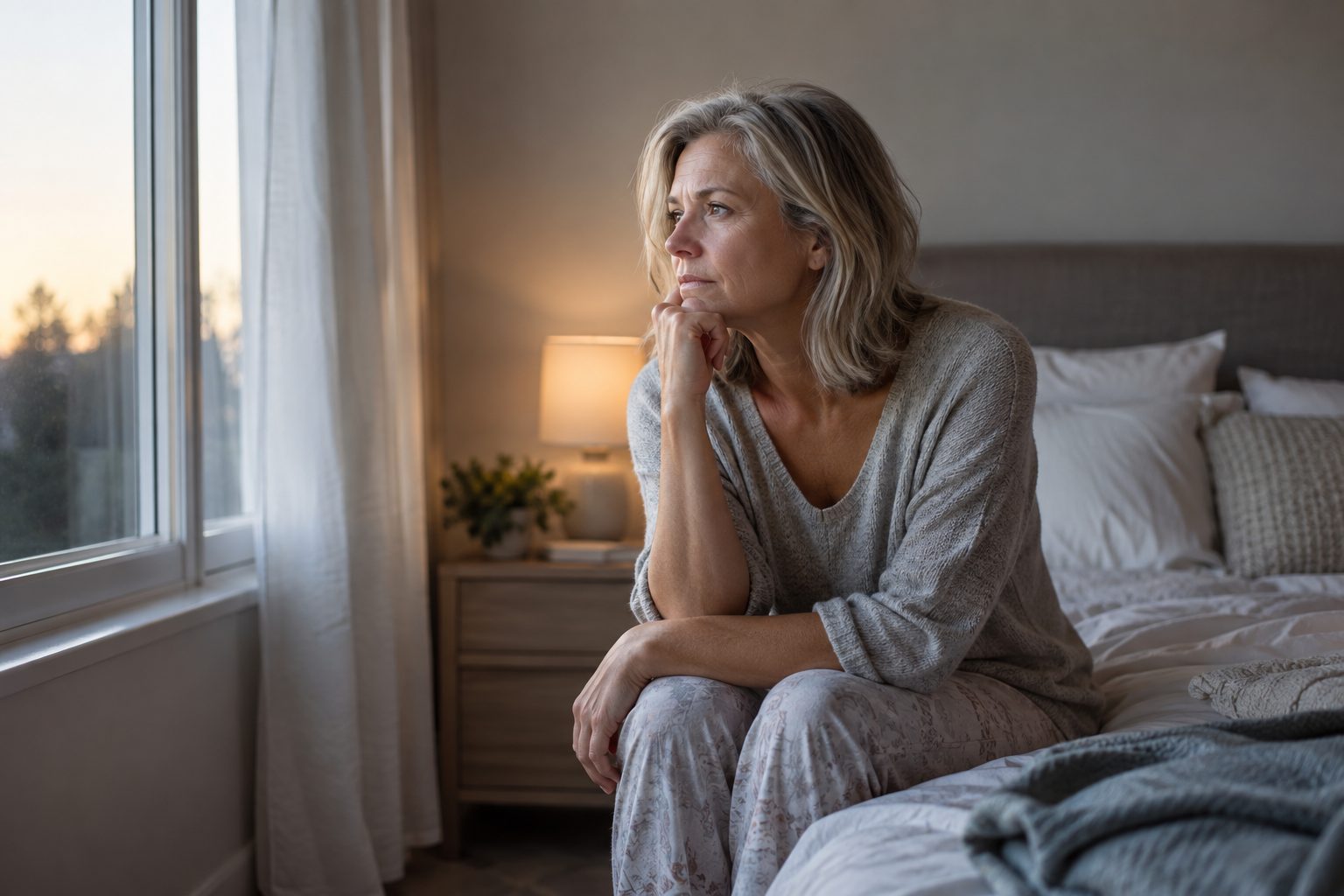
Cancer Is Not Just a Medical Experience
Cancer tends to get talked about in medical terms: diagnosis, stage, surgery, chemotherapy, radiation, immunotherapy, scans, bloodwork, remission. But cancer was never only a physical event.
There is also the moment you hear that you have cancer. The waiting for test results. The fear before a scan. The loss of control, the procedures, the uncertainty, the changes to your body, and the conversations you never imagined having with the people you love. And maybe most significantly, there is the realization that something life-threatening happened inside your body, sometimes without warning. That realization can quietly rewrite your entire relationship with safety.
Before cancer, an ache was probably just an ache. After cancer, an ache can become a question: What if it’s back? Before cancer, a doctor’s appointment might have been mildly inconvenient. After cancer, sitting in that same waiting room can bring back memories of the appointment when everything changed. Before cancer, planning a vacation six months out may have felt completely ordinary. After cancer, part of your mind hesitates: Can I even trust that I’ll be okay six months from now?
This is part of what makes cancer trauma so hard to recognize. The danger isn’t always tucked safely in the past the way it might be with other traumatic experiences. You still live in the body where cancer happened. You still go to follow-up appointments. You may still have scans, still carry lingering physical symptoms from treatment, and still live with the knowledge that recurrence is possible even when there’s no current evidence of disease. The threat ended. The uncertainty didn’t.
Can You Actually Have PTSD After Cancer?
Some cancer survivors experience post-traumatic stress symptoms, and some may meet the clinical criteria for post-traumatic stress disorder, or PTSD. But there is an important distinction worth naming here: experiencing fear, anxiety, or trauma-related symptoms after cancer does not automatically mean you have PTSD. PTSD is a specific clinical diagnosis, and a qualified mental health professional can evaluate whether symptoms meet the diagnostic criteria.
The National Cancer Institute’s information on cancer-related post-traumatic stress explains that post-traumatic stress symptoms can occur at different points in the cancer experience, including after treatment. It describes symptoms such as repeated frightening thoughts, sleep problems, avoidance, fear, and feeling unusually alert or on edge. Cancer-related post-traumatic stress may occur without developing into PTSD.
That distinction matters because you do not need a PTSD diagnosis for what you are experiencing to deserve attention.
During treatment, life is often organized around getting through the next thing: the next infusion, the next appointment, the next surgery, the next scan. There is a medical team involved, a plan in place, something concrete to do with the fear. Then treatment ends. Everyone expects relief, but now the appointments are farther apart, the medical safety net feels less immediate, and there is far more time and quiet to actually process what happened.
Feeling more anxious once treatment ends instead of less can be deeply confusing, especially when everyone around you assumes the hard part is over.
What Cancer Trauma Can Actually Look Like
Hypervigilance: Constantly Watching for Danger
A completely changed relationship with the body is one of the most common experiences survivors describe. Everything gets noticed now: a headache, a swollen lymph node, a strange pain, fatigue that feels different somehow, a change in appetite, a sensation that is hard to explain. Attention snaps to it immediately. Is this normal? Was that there yesterday? How long has this been happening? Should I call my oncologist? What if they missed something?
This is hypervigilance, a state of being unusually alert to possible danger. After cancer, the body itself can become the thing being monitored for that danger. And that makes sense when you consider what cancer taught you. For many people, the diagnosis was proof that something serious could be happening inside their body without them knowing. So the mind quietly writes a new rule: Don’t miss anything.
The problem is that constantly scanning the body for danger can make it nearly impossible to ever feel at home in it again.
Intrusive Thoughts: When the Mind Keeps Returning to Cancer
An ordinary day can turn on a single thought: What if it comes back? Falling asleep can turn into replaying the day of diagnosis, the doctor’s face, the room, the phone call, the exact words that were used. Sometimes the intrusive thoughts aren’t memories at all. They’re imagined futures: What if the next scan is bad? What if treatment has to happen again? What if the luck runs out next time?
The instinct is often to push these thoughts away, either because they are frightening or because there is a belief that this shouldn’t still be happening. But desperately trying not to think about cancer can make the thoughts feel even louder. Then another layer of distress shows up right behind them: Why am I still thinking about this?
Anxiety After Cancer: When Reassurance Doesn’t Last
One of the most frustrating parts of anxiety after cancer is that reassurance tends to work only temporarily. A clear scan brings relief, and then something hurts and the fear returns. A doctor says everything looks good, and then a few weeks later you hear that someone else’s cancer came back, and the fear returns again. This can be genuinely confusing because the logical part of your mind says, I already got good news. Why isn’t that enough?
But anxiety is not only responding to the information available today. It is also responding to everything you have already lived through. Cancer changes what you know is possible. It teaches, in the most personal way, that life can shift between one appointment and the next.
Part of emotional recovery involves learning how to live with uncertainty again without letting that uncertainty run the show. If fear of recurrence or constant worry is beginning to shape daily life, anxiety therapy can help you understand the patterns underneath the fear rather than relying on another round of reassurance or trying to force yourself to think positive.
Avoidance: When Staying Safe Starts Shrinking Life
Trauma responses aren’t always about what you do. Sometimes they are about what you quietly stop doing. You avoid conversations about cancer because thinking about it feels like too much. You avoid follow-up appointments until there is no choice left because the anxiety beforehand feels unbearable. You cut off medical information entirely, or swing the other way and read everything you can find, unable to stop.
Some survivors stop making long-term plans because planning suddenly feels vulnerable. Others pull away from friends because they don’t want to explain why they are still struggling. Some even avoid joy, which sounds strange until you understand what is underneath it. Allowing hope back in can mean allowing yourself to have something to lose again, and staying guarded can feel safer than that.
The trouble is that avoidance offers short-term relief while quietly reinforcing the idea that whatever is being avoided really is dangerous. Little by little, fear starts making the decisions. Travel stops. Planning stops. Trust in the body stops. Imagining the future stops. Surviving cancer and then watching fear shrink the very life you fought for is one of the quieter tragedies of survivorship, and one of the least talked about.
“But My Cancer Treatment Wasn’t That Bad”
I hear versions of this more often than you might think. Maybe chemotherapy wasn’t part of your treatment. Maybe someone else had a later-stage cancer. Maybe your treatment was shorter than another person’s. Maybe everyone kept telling you the prognosis was excellent.
So the story becomes: Other people had it worse. And maybe they did. But emotional pain is not a competition. What matters is how your own mind and body experienced what happened to you.
Cancer can confront you with your own mortality for the first time. It can change your body. It can disrupt a career, a relationship, sexuality, finances, identity, or a basic sense of control. You do not have to prove your cancer experience was “bad enough” before you are allowed to acknowledge that it affected you.
Why Cancer Trauma Often Shows Up After Treatment Ends
This part genuinely surprises a lot of survivors. You can function remarkably well throughout treatment and then, months later, feel as if you are falling apart and wonder: Why now?
Because during treatment, there was a job to do. Survive. Get through today. Make the appointment. Take the medication. Get through surgery, radiation, chemo. When the focus is entirely on surviving something, there often isn’t much room left to actually process it emotionally.
Then treatment ends and the structure holding everything together quietly disappears. People stop checking in as often. Appointments become less frequent. Everyone else begins returning to normal while the reality of how profoundly your normal has changed is only beginning to set in.
The National Cancer Institute’s guidance on life after cancer treatment also recognizes that the end of treatment can bring both relief and fear, including fear of recurrence and anxiety around follow-up scans and appointments. The emotional aftermath arriving later does not mean you are going backward. Sometimes it means there is finally space for what happened to catch up.

The Trap of Trying to Get Back to Who You Were Before Cancer
Many survivors enter this phase of life with one goal: I just want to feel like myself again. That longing makes complete sense. You miss the old energy, the old confidence, the old body, the old sense that the future was simply going to be there waiting for you.
But forcing a return to a pre-cancer version of life can create a different kind of suffering, because cancer likely changed something. Healing does not necessarily mean erasing those changes. It can mean learning how to feel safe again as the person who exists now, sensations and all.
That might involve noticing a physical sensation without immediately following it into catastrophe. It might mean understanding specific triggers, learning how to tolerate uncertainty, or grieving what cancer took. It might mean rebuilding trust in your body slowly, one small piece at a time, rather than demanding total trust all at once.
For some survivors, trauma-informed therapy can provide a place to understand why the nervous system is still reacting as if danger is close and begin working with those responses without judging them.
No One Has to Wait Until They’re Falling Apart
There is a common misconception that support is only necessary once you can no longer function. But you can be working, parenting, seeing friends, exercising, taking vacations, looking completely “fine” to everyone around you, and still be carrying an enormous amount of fear on the inside. You might even be the person everyone describes as strong. Strength and distress can absolutely exist at the same time.
Support after cancer is not about being convinced that nothing bad will ever happen again. No one can honestly promise that. It is about helping cancer stop occupying every corner of your life. It is about understanding what your mind and body learned during cancer and figuring out what still serves you now. It is about making room for uncertainty without letting it become the center of everything.
And sometimes it is simply about having one place where you do not have to reassure everyone else that you are okay.
Cancer Survivorship Therapy in Palm Beach Gardens and Palm Beach County
Anxiety, hypervigilance, intrusive thoughts, avoidance, and fear of recurrence can all become part of life after cancer. Experiencing them does not mean you are healing incorrectly. Survivors throughout Palm Beach Gardens, West Palm Beach, Jupiter, Boca Raton, and the surrounding Palm Beach County area may be navigating these experiences quietly while everyone around them assumes the hardest part is behind them.
At Erin Pallard Therapy, cancer survivorship therapy offers a place for the emotional aftermath that medical treatment may not address. I work with adults in person in Palm Beach Gardens and provide telehealth throughout Florida and Rhode Island. The goal is not to erase what happened or promise that fear will never show up again. It is to help you understand what your mind and body have been carrying and begin building a life that is not organized entirely around cancer.
Frequently Asked Questions About Cancer Trauma and Survivorship
Is it normal to feel more anxious after cancer treatment ends?
It can happen. During treatment, there is often a clear schedule, frequent medical contact, and a next step to focus on. When treatment ends, that structure changes, and fears that were pushed aside while you were getting through treatment may become more noticeable. Persistent or overwhelming anxiety is worth discussing with your healthcare team or a mental health professional.
Does fear of recurrence mean I have PTSD?
No. Fear of recurrence is common after cancer and does not automatically mean you have PTSD. Cancer-related post-traumatic stress symptoms can occur without meeting the full diagnostic criteria for PTSD. A qualified clinician can help you understand what you are experiencing.
Why do clear scans only calm me down for a little while?
A clear scan gives you important information about the present, but your nervous system also remembers what you have already lived through. If cancer changed your sense of safety, reassurance may bring temporary relief without fully resolving the underlying fear or hypervigilance.
Can cancer survivorship therapy help with scan anxiety and body checking?
Therapy can provide a place to understand the fear underneath scan anxiety, body checking, intrusive thoughts, and avoidance. The work is not about dismissing legitimate medical concerns. It is about helping fear stop taking over every sensation, appointment, or decision.
When should I consider therapy after cancer?
You do not have to wait until you are in crisis. If fear of recurrence, anxiety, intrusive thoughts, avoidance, grief, or difficulty trusting your body is taking up more of your life than you want it to, that is enough reason to consider support.
If This Resonated With You
If something in this blog resonated with you, you don’t have to navigate it alone. Whether you’re coping with anxiety, healing from trauma, adjusting to life after cancer, or moving through a difficult season, support is available when you’re ready.
If you’d like to learn more or schedule a consultation, you can contact me here.