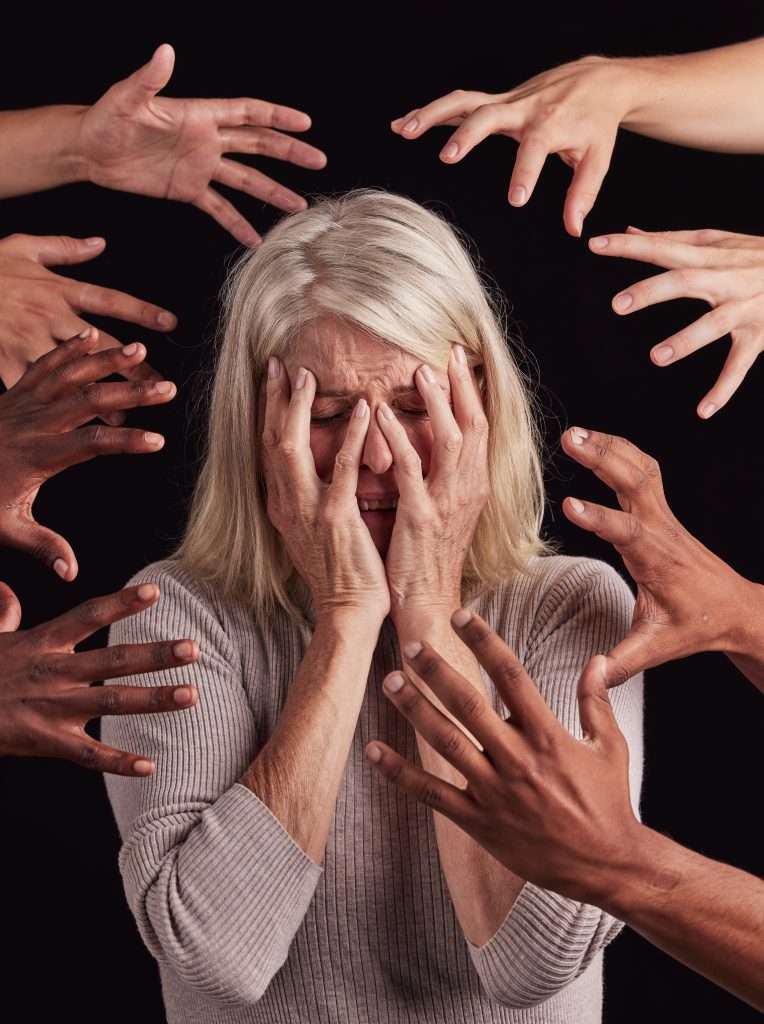
When most people hear the word abuse, they picture bruises, shouting, or obvious violence. But not all abuse leaves marks you can see. Sometimes the deepest wounds are invisible — tucked inside your nervous system, your sense of self, and the way you move through relationships.
If you’ve ever felt like you’re walking on eggshells, second-guessing yourself, or carrying a heaviness you can’t quite name, you’re not imagining it. Abuse doesn’t have to be physical to be real. And it doesn’t have to be visible to leave lasting trauma.
This is something I hear often in my Palm Beach Gardens therapy practice: People minimizing their experiences because no one hit them, or because what they endured didn’t look like the “typical” picture of abuse. But emotional abuse is real, and it can leave lifelong effects that take time, compassion, and support to heal.
Emotional Abuse Is Real — Even If You Doubt It
Many people struggle to even use the word abuse when describing their experiences. Because there were no bruises, they wonder: Am I overreacting? Was it really that bad?
But emotional abuse has its own patterns, and once you see them clearly, it becomes easier to understand why you feel the way you do today. Some examples include:
– Gaslighting that makes you question your memory or sanity
– Silent treatment that leaves you isolated and desperate for connection
– Constant criticism or sarcasm that erodes your confidence
– Controlling money, friendships, or decisions so you feel powerless
– Humiliation or words that cut deep, leaving you ashamed to even speak up
Because emotional abuse often happens behind closed doors, it can feel like a private, invisible battle. And when friends or family don’t understand, it only reinforces the doubt survivors already feel. In Palm Beach Gardens, I’ve met with many individuals who came into therapy feeling confused, yet after naming their experiences as emotional abuse, they finally found a sense of clarity and validation.
The Weight of Shame: “It Wasn’t That Bad”
One of the heaviest burdens survivors carry is shame. Not just shame about what happened, but shame about how they feel afterward. Many people downplay their pain by telling themselves things like:
– “Other people had it worse. I should just get over it.”
– “At least it wasn’t physical.”
– “Maybe I’m just too sensitive.”
This shame keeps survivors from reaching out for help. It creates a cycle where they minimize their pain, withdraw further into isolation, and blame themselves for still struggling. But the truth is this: your pain is valid, no matter how it compares to someone else’s.
In my Palm Beach Gardens trauma therapy sessions, I often remind clients that trauma isn’t a competition. Just because your wounds aren’t visible doesn’t mean they don’t matter. Emotional abuse is trauma, and your nervous system remembers even when your mind tries to dismiss it.
How Trauma Shows Up in the Body and Mind
Abuse that isn’t physical still impacts your body, your nervous system, and your day-to-day life. Survivors often notice:
– Feeling anxious or “on edge” most of the time
– Difficulty trusting themselves when making decisions
– Guilt for wanting basic respect or care
– Feeling numb or disconnected from their emotions
– A deep sense of unworthiness that lingers long after the relationship ends
Your body might tighten every time you hear raised voices. Your chest may feel heavy when you get a text from someone who used to hurt you. Your sleep may be restless, your appetite inconsistent, your mind racing. These are not random symptoms; they are the echoes of trauma.
One client once told me, “I thought I was broken, but then I learned my body was just trying to protect me.” That shift — from shame to understanding — is often the first step in healing.
Why Leaving Is Complicated
People often ask themselves: Why didn’t I leave sooner?
The reality is that emotional abuse is confusing. It doesn’t always start with cruelty. It may start with charm, attention, and promises of love. Then the small hurts creep in — the cutting jokes, the subtle control, the dismissive tone. By the time you realize what’s happening, your self-trust has already been worn down.
If you stayed, it doesn’t mean you were weak. It means you were surviving the only way you knew how. Survival sometimes looks like staying silent, pleasing the abuser to avoid conflict, or convincing yourself it wasn’t that bad. These coping strategies aren’t failures — they were ways your body tried to keep you safe.
Beginning to Heal
Healing from emotional abuse is possible, though it often happens slowly and gently. It might begin with something as small as naming what happened: Yes, that was abuse. Yes, it mattered.
From there, healing can look like:
– Finding safe people who believe you
– Learning to set boundaries that protect your peace
– Reconnecting with your body through rest and care
– Allowing yourself to feel anger, sadness, or grief without judgment
– Slowly rebuilding trust in your own voice and choices
In Palm Beach Gardens, trauma therapy provides a place to explore these steps with compassion. Therapy isn’t about rushing or forcing yourself to heal. It’s about creating a steady space where you can untangle the confusion, release the shame, and reconnect with yourself. Each small step forward is proof of your strength.
Community and Healing
One of the most painful parts of emotional abuse is the isolation it creates. Abusers often cut off friends, family, or support systems, leaving you feeling alone. This is why connection is so important in recovery. Healing happens not just within you, but also in safe, supportive relationships with others.
Support groups, trusted friends, and trauma-informed therapists can help you remember that you are not alone and that what happened to you is real. In Palm Beach Gardens, many survivors have found comfort in knowing there are spaces dedicated to healing from emotional abuse and trauma.
A Gentle Reminder
If you’ve ever told yourself “it wasn’t that bad,” I want you to know: what you went through matters. Emotional abuse is real, even if it leaves no marks. Shame is heavy, but it does not have to define you.
Healing takes time, but it’s possible. You deserve to feel safe, to trust yourself again, and to live without carrying the invisible weight of trauma.
If you’re here in Palm Beach Gardens and quietly wondering whether your story “counts,” please know this: it does. You do. And your healing matters.
At Erin Pallard Therapy, we offer counseling for anxiety, trauma, and narcissistic abuse in Palm Beach Gardens. Whether in-person or online, we’re here to support your healing journey.